Tag: Skill Games

Top Bridge Games Skills Worth Mastering
Mastering contract bridge requires a dedicated mix of logical deduction, tactical foresight, and deep partnership cooperation. While casual enthusiasts often rely on basic card-playing instincts, true mastery surfaces when you learn to analyze every round systematically. Elevating your capabilities at the table transforms the classic card game into a profoundly rewarding mental challenge.
The Art of Deductive Reasoning
One critical skill that sets expert bridge players apart is the ability to utilize advanced deductive reasoning during active play. By closely monitoring the bidding phase and tracking early card distributions, you can reconstruct hidden hands with remarkable accuracy. This analytical habit allows you to anticipate potential defensive setups and choose the most effective lines of play.
Consistently practicing this method ensures that you minimize careless mistakes and optimize your trick-taking opportunities. Developing your logical thinking capabilities changes how you view incomplete information at the card table. Players often test their strategic skills by using modern platforms like the game stick m88 to engage in mentally stimulating exercises.
Refining Partnership Communication
Contract bridge is uniquely built around a dual alliance, making seamless coordination an absolute necessity for competitive success. Bidding serves as a structured, coded dialogue where you and your partner exchange vital details regarding hand strength and suit distribution. Refining these shared conventions prevents costly misunderstandings and leads your team to optimal contracts.
Listening carefully to your partner's signals throughout the defensive phase is equally crucial for neutralizing aggressive opponents. Trusting these subtle indicators allows the defending side to operate as a singular, cohesive entity. Dedicated practice with a consistent teammate ultimately builds the deep synergy required for high-level tournament play.
Mastering Declarer Control and Entries
Once the auction finishes and the dummy hand is revealed, the declarer must formulate a definitive tactical plan before playing a single card. Managing entries between your own hand and the dummy is a fundamental technique that requires absolute precision and foresight. Maintaining fluid communication between both hands ensures you can capitalize on established long suits dynamically.
Experienced declarers also know how to balance the risk of drawing trumps early against the need for ruffing potential losers. Mastering this exact timing prevents the defenders from disrupting your strategy or gaining unexpected control of the board. Developing patience in trick management remains a primary hallmark of proficient execution.
Advanced Defensive Tactics
Achieving consistent victories in duplicate bridge tournaments relies heavily on executing disciplined defensive play. Your choice of an opening lead sets the entire tone for the hand and can instantly place the declarer under intense pressure. Cultivating standard defensive combinations like second-hand low helps maximize your side's long-term scoring potential.
Adapting your defensive strategy dynamically as new information emerges prevents the opponents from comfortably fulfilling tough contracts. Recognizing when to shift from passive waiting to an aggressive attack is a sophisticated talent worth mastering over time. Studying these nuanced defensive situations systematically elevates your comprehensive performance at the table.

Lucky Draw Campaigns That Keep Members Engaged
Maintaining active membership in any community requires a delicate balance of excitement, consistent appreciation, and interactive opportunities. While traditional loyalty rewards provide steady value, randomized prize distribution campaigns introduce an element of anticipation that keeps individuals checking back regularly. By structuring these promotional giveaways around member milestones, organizations can foster a deeper connection and transform passive users into enthusiastic participants.
Designing Tiered Reward Systems
Many successful modern engagement campaigns move away from single grand-prize models to introduce diverse multi-level structures. Distributing lower-tier incentives alongside a primary grand prize ensures that a broader segment of the community experiences the validation of winning. This balanced approach helps manage player expectations and sustains a healthy level of enthusiasm over extended periods.
When a system ensures that minor interactions also carry potential value, users are far more likely to integrate the platform into their daily routines. For example, individuals who frequently utilize specialized accessories like the game stick m88 appreciate how seamless digital integration enhances their overall experience. Providing accessible entry points across different user activities remains an excellent strategy for maintaining structural fairness.
Leveraging the Power of Variable Outcomes
The core psychological mechanism behind consistent member participation relies on the excitement of unpredictable rewards. Human curiosity is naturally heightened when the exact outcome of a promotional drawing remains unknown until the final reveal. This natural anticipation generates community discussion, creating shared experiences that bring members closer together.
To build long-term credibility, organizers must ensure that these randomized selection models operate with absolute operational integrity. Clear documentation regarding selection methodologies and transparent eligibility criteria eliminates consumer skepticism and reinforces brand loyalty. When a community trusts the underlying system, their participation transitions from temporary curiosity into a sustainable hobby.
Integrating Interactive Milestones
Instead of relying on standard submission forms, forward-thinking platforms are increasingly gamifying their entry collection methods. Requiring users to complete small community tasks, participate in discussions, or reach specific milestones rewards active engagement with additional drawing entries. This ensures that the most dedicated community members receive a statistically fair advantage in the prize pool.
Activity-based campaigns also prevent the monotony that often accompanies traditional corporate loyalty programs. By aligning promotional events with seasonal themes or major community celebrations, organizations can introduce fresh concepts regularly. Keeping the format dynamic ensures that long-term members remain just as interested as brand-new registrants.
Sustaining Engagement Post-Campaign
The conclusion of a promotional draw represents a vital opportunity to reinforce community trust and maintain ongoing momentum. Publicly celebrating verified winners and sharing their success stories within the forum inspires other participants and demonstrates real results. This collective celebration transforms individual victories into a shared triumph for the entire network.
Furthermore, providing small thank-you incentives to non-winning participants keeps motivation high for future events. Promptly announcing upcoming campaigns immediately gives the audience a new milestone to look forward to. Consistent communication and reliable event schedules establish the foundational structure needed for long-term retention.
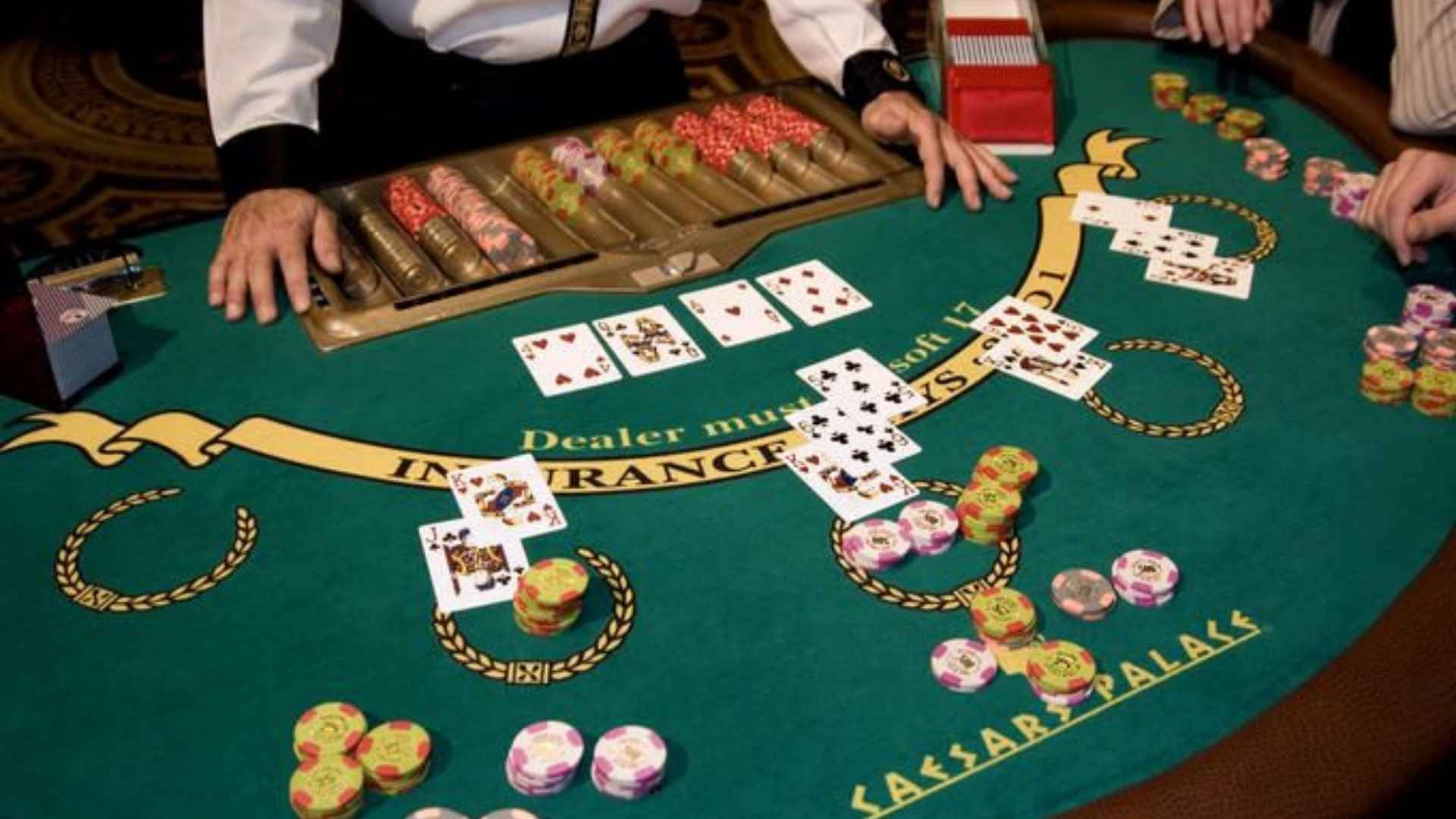
How to Stay Focused During Competitive Bridge Games
Competitive bridge is widely recognized as one of the most intellectually demanding mind sports in the world today. Success at the table requires not only a deep understanding of bidding systems but also an extraordinary level of mental stamina. Players must maintain their concentration over several hours and multiple sessions to avoid costly mistakes.
Establishing a Pre-Game Mental Routine
Just like athletes in physical sports, bridge players benefit greatly from a structured warm-up routine before a major tournament begins. Taking a few minutes to clear your mind of daily distractions helps transition your brain into a state of deep focus. This mental preparation ensures that you start the first round with maximum clarity and intent.
To establish a reliable pre-game routine, consider practicing brief breathing exercises or reviewing your partnership bidding agreements. Many competitive players find that having a consistent ritual significantly reduces pre-match anxiety and boosts overall confidence. If you enjoy testing your strategic decision-making in other formats beforehand, visiting a trusted gaming platform via M88.com login can be a useful way to sharpen your cognitive instincts.
Managing Cognitive Load and Table Distractions
During a high-stakes match, the sheer volume of information to analyze can quickly lead to cognitive fatigue. Players must track the bidding history, remember which cards have been played, and calculate remaining hand distributions simultaneously. To prevent mental burnout, it is essential to focus strictly on the current hand and let go of past errors immediately.
Table distractions, such as spectator movements or opponent mannerisms, can easily break your train of thought if you let them. Experienced tournament players train themselves to view the table as an isolated environment where only the cards and active bids exist. Developing this selective attention allows you to conserve valuable mental energy for critical defensive signals.
Prioritizing Physical Well-being and Recovery
The relationship between physical health and cognitive performance is well-documented in competitive gaming circles. Proper hydration, balanced nutrition, and sufficient sleep are the foundational blocks of sustained concentration. Neglecting these basic physical needs often results in sudden lapses of judgment during the later rounds of a tournament.
During scheduled breaks between sessions, make it a habit to step away from the playing area to stretch and breathe fresh air. Giving your brain a few minutes of complete rest helps restore your focus for the upcoming challenges. Taking care of your body ensures that your mind remains sharp when the competition reaches its peak.